Choosing Between Boom and Line Pumping in Wichita Falls, TX
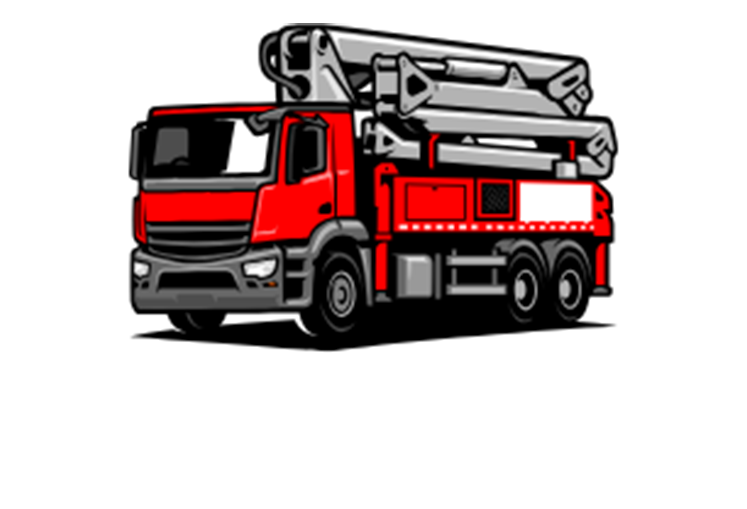
Boom and line pumping in Wichita Falls, TX address different placement challenges: boom pumps use truck-mounted articulating arms for elevated or distant pours, while line pumps rely on flexible hoses to navigate tight spaces and complex site layouts.
What Site Conditions Favor Boom Pumping?
Boom pumps excel when you need vertical reach, must clear obstacles like fences or buildings, or want to place concrete without crews walking hoses across finished work areas.
Multi-story construction projects rely on boom pumps because the arms extend high enough to reach upper floors without requiring cranes or manual lifting. The truck stays in one location while the boom rotates and extends to cover a wide radius.
Large commercial slabs also benefit from boom reach. Instead of repositioning equipment multiple times, operators can pour extensive areas from a single truck position, reducing setup time and keeping the concrete flowing continuously.
When Does Line Pumping Provide Better Value?
Line pumping works best for projects with limited access, tight spaces, or layouts where a boom truck can't fit or operate safely due to overhead wires and low clearance.
Residential backyard projects often require line pumps because boom trucks can't navigate narrow side yards or need to avoid damaging landscaping. The flexible hose winds through gates and around obstacles with minimal disruption.
Foundation pours in congested neighborhoods use line pumps when street parking is limited and boom trucks can't position close enough. The hose extends hundreds of feet if necessary, letting the pump truck stay on the public road while concrete reaches the job site.
Line pumping also costs less to mobilize for smaller projects. If your pour volume stays below thirty cubic yards and doesn't require elevation, a line pump delivers the same concrete quality without the expense of a larger boom unit.
How Do Operators Decide Pump Placement?
Operators assess site access, pour distance, elevation changes, and obstacles before recommending boom or line pumping for your specific project requirements and constraints.
They measure the distance from the nearest truck staging area to your forms, checking for overhead power lines, tree branches, or structures that limit boom movement. Ground conditions matter too since boom trucks need stable surfaces to deploy outriggers safely.
For line pumps, operators trace the hose path from truck to pour site, counting turns and elevation changes. Sharp bends and long runs increase friction, so they calculate whether the pump has enough pressure to maintain flow without clogging.
Experienced crews deliver line pumping solutions in Wichita Falls by walking the site beforehand, identifying potential issues, and confirming the chosen equipment will complete your pour efficiently.
What Weather Patterns Affect Pumping in Wichita Falls?
North Texas heat during summer months accelerates concrete curing, requiring faster pours and sometimes adjusting mix designs with retarders to extend workability before the material sets.
High temperatures cause water to evaporate quickly from fresh concrete, which can lead to cracking if finishing crews don't keep up with placement speed. Pumping helps by delivering material rapidly so workers can spread and finish before surface moisture disappears.
Winter freezes are less common in Wichita Falls but still occur. Cold weather slows concrete curing, and projects might need blankets or heaters to protect fresh pours overnight. Pumping reduces the time concrete spends exposed to cold air during placement.
Renegade Concrete Pumping provides both boom and line pumping throughout Wichita Falls, matching equipment to your project's access and placement needs. Explore boom pumping options in Wichita Falls or discuss line pump setups by calling 940-757-2108 to plan efficient concrete delivery for your next construction phase.
